
Wood You Ever…
It’s magic stuff, wood. Its touch, its scent, its grain, they all speak to us in ways no other material can. In my projects, wood doesn’t just exist; it engages.
The effects of wood ripple through a space, influencing how we feel, move, and even breathe in a room. Its versatility is extraordinary, from the fast-growing varieties selected for mass appeal to the rarer, slower-grown species that are so precious they never leave their native land.
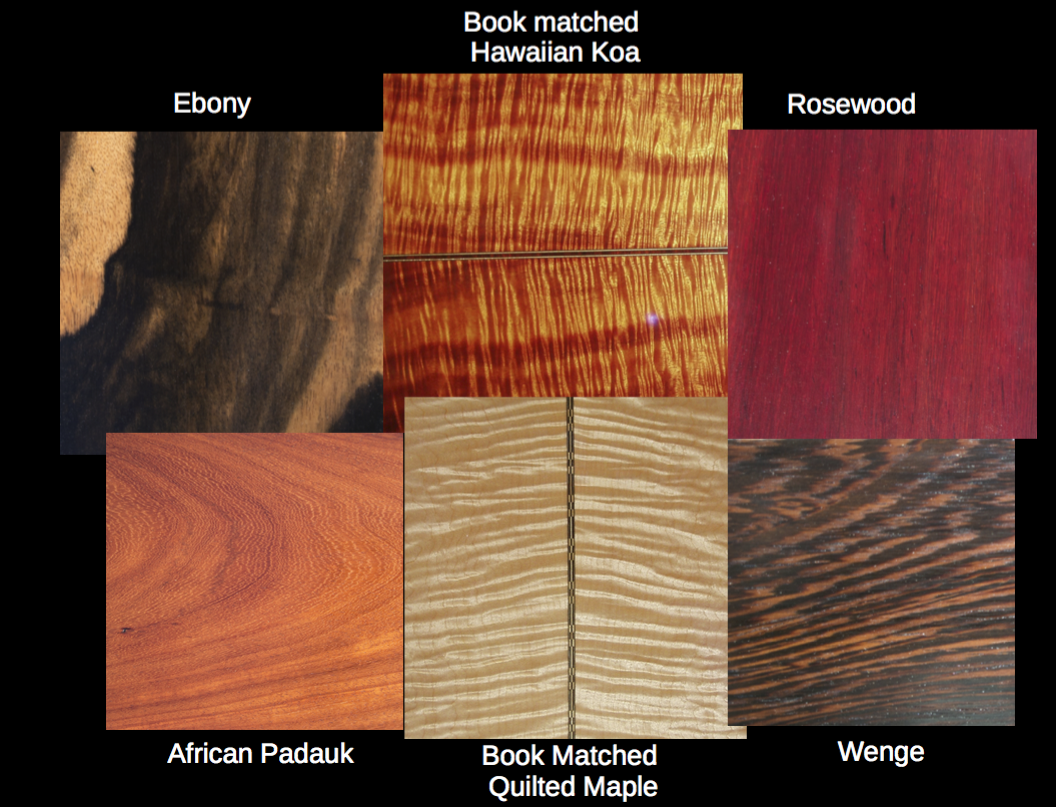
Even though wood has been around for millions of years, modern technology has transformed it. Today, it remains sustainable, solid, and dependable—but also increasingly exotic. Imagine the striking lines of Zebrano, the warm hues of Padauk, or the subtle markings of Sweet Lime. Wenge, Ebony, Rippled Elm, and Burr Elm offer dramatic patterns and deep colour contrasts that delight the eye and invite touch.
Many design icons have harnessed wood’s sensory power. Charles Rennie Mackintosh blended bold architectural lines with organic, natural shapes, creating pieces that were visually striking yet intuitively human. The variety of colour, texture, and pattern in each wooden piece can be appreciated as art in itself, whether it’s rustic, flowing in the Art Nouveau style, or sleek like the streamlined designs of the 1960s.
Post-World War II, G Plan revolutionised accessible, high-quality wooden furniture, combining solid and veneered sections for both durability and beauty. Today, retro styling and up-cycling trends have brought a resurgence in these designs, reminding us that wood carries both history and contemporary relevance.
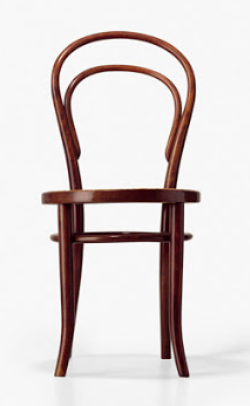
When I seek inspiration, I reach for classics like World Design, a book steeped in knowledge about wood and its potential. Thonet, for instance, mastered bentwood chairs—one of the most successful mass-produced pieces ever, selling over 50 million by the early 20th century. Their elegant forms remain style icons in cafés and bars worldwide, celebrated not only for their lines but for their tactile presence. Le Corbusier even included them in his pavilion at the 1925 Paris Design Exhibition, recognising wood’s sensory and aesthetic impact.
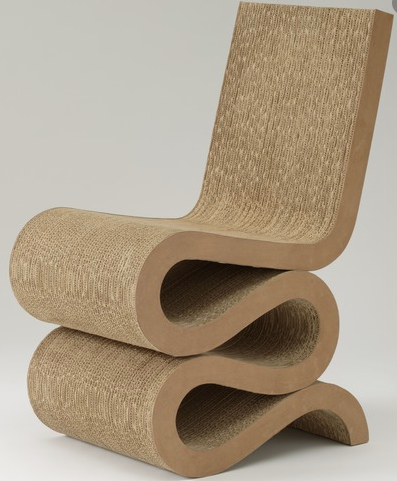
Even today, architects and designers push wood’s boundaries. Frank Gehry, one of my all time design heroes crafted the revolutionary Easy Edges Chair from laminated corrugated cardboard, demonstrating that tactile and visual exploration can elevate even everyday materials into works of art. His Guggenheim Museum in Bilbao similarly evokes the unpredictable, organic qualities that make us instinctively reach out, look closer, and experience space in a multi-sensory way.
Wood isn’t just for furniture anymore. From lights to watches, phone cases to wall panels, its warmth, texture, and beauty are everywhere—inviting touch, drawing the eye, and enriching our sensory experiences. Designing with wood is designing with the senses: sight, touch, and even smell, all intertwined in one enduring, living material.
Next time you sit in a café, run your fingers over a table, trace a chair’s curve, breathe in its warm scent. Wood’s magic is in the details, and it’s everywhere you look.